


Last updated: May 2026
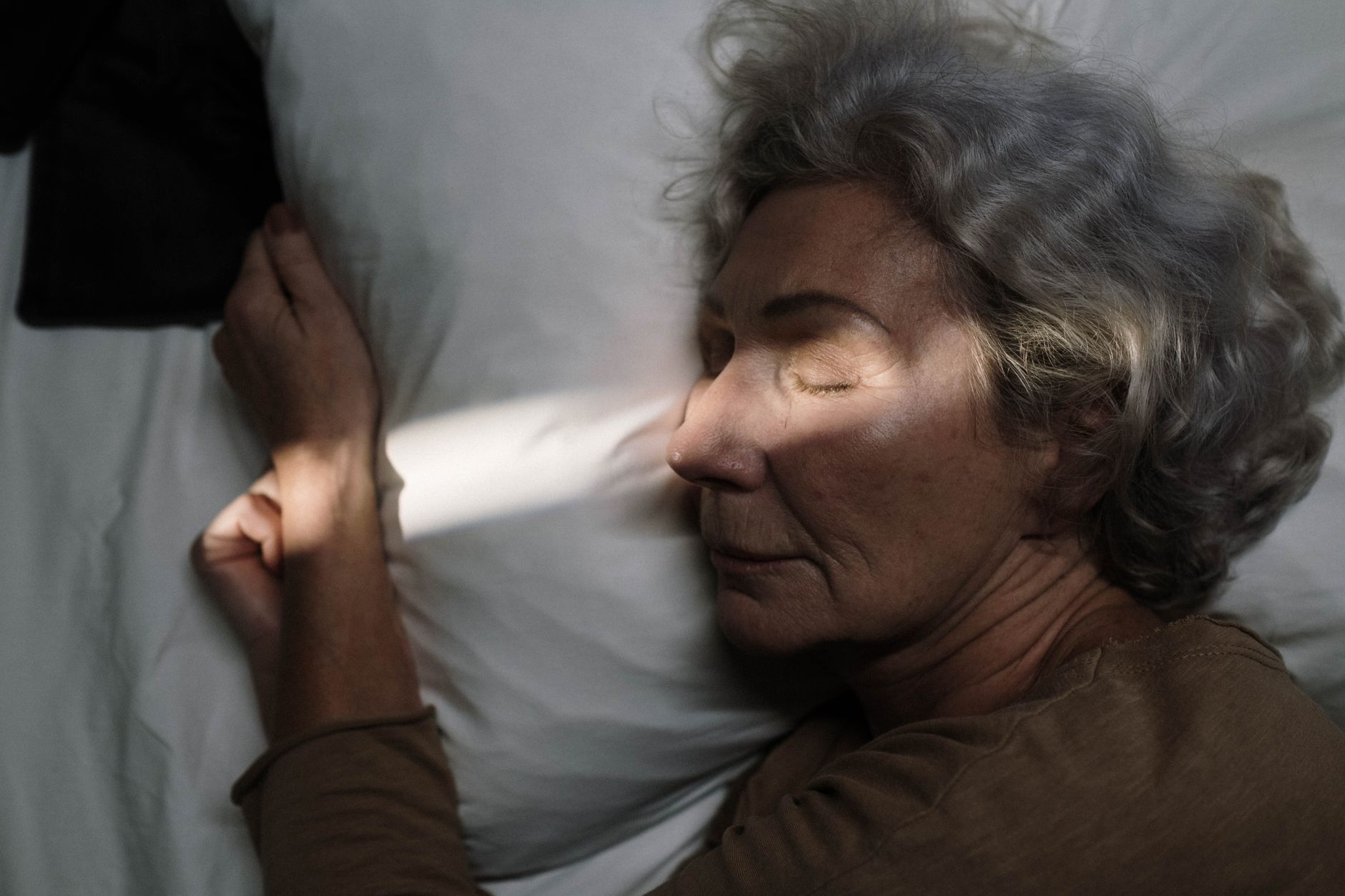
Ever feel restless at night, despite hitting the hay at a reasonable hour?
Believe it or not, your bedroom environment could be the stealthy sleep saboteur. Today, we're unveiling the top five bedroom mistakes that could be undermining your slumber—and how you can turn your sleep space into a dreamy haven.
In Malaysia's bustling urban environment, quality sleep has become increasingly elusive. Between the city lights of Kuala Lumpur, the heat and humidity, and the constant hum of air conditioning units, many Malaysians struggle to achieve the restorative sleep their bodies desperately need. Understanding these hidden sleep disruptors is the first step toward reclaiming your nights and waking up refreshed every morning.
Understanding Your Sleep Environment's Impact
Your bedroom environment plays a crucial role in determining sleep quality. Research shows that environmental factors can affect sleep latency (how long it takes to fall asleep), sleep duration, and sleep efficiency. For Malaysians living in high-density areas or near busy roads, these environmental challenges are often magnified.
The human body follows a natural circadian rhythm—an internal clock that regulates when we feel alert and when we feel sleepy. This delicate system can be easily disrupted by seemingly minor environmental factors, leading to poor sleep quality, daytime fatigue, and long-term health consequences.
1. Too Much Light Exposure
- Problem: Excessive light, from streetlamps to digital clocks, can significantly disrupt your circadian rhythms and melatonin production.
- Solution: Invest in blackout curtains or a high-quality sleep mask. Consider using dim nightlights for navigation if needed at night.
The Science Behind Light and Sleep
Light exposure is perhaps the most powerful regulator of our circadian rhythm. When light enters our eyes, it signals to the suprachiasmatic nucleus (our body's master clock) to suppress melatonin production and promote wakefulness. In Malaysia's urban areas, light pollution from street lighting, neon signs, and neighboring buildings can create what sleep experts call "environmental light trespass."
Even small amounts of light can be problematic. Studies suggest that light exposure as dim as 10 lux (roughly equivalent to a dim night light) can suppress melatonin production by up to 39%. For Malaysians living in condominiums or apartments with large windows facing busy streets, this presents a significant challenge.
Advanced Light Management Solutions
Beyond blackout curtains, consider these additional strategies:
- Smart lighting systems: Use programmable LED bulbs that automatically dim and shift to warmer tones as bedtime approaches
- Window tinting: Professional-grade window films can reduce both light pollution and heat from Malaysia's intense sun
- Strategic furniture placement: Position your bed away from direct light sources and consider using a room divider if necessary
- Digital device management: Remove or cover LED displays from electronics, or use specialized stickers to dim them
2. Noise Nuisance
- Problem: Whether it's the hum of traffic or a noisy neighbor, sound can keep you from deep sleep stages.
- Solution: White noise machines can mask disruptive sounds with soothing, consistent audio. Earplugs are also a simple, effective option.
Malaysia's Unique Noise Challenges
Urban Malaysians face a unique combination of noise challenges. From the early morning call to prayer to late-night mamak conversations, motorcycle traffic, and construction work that often extends into the evening hours, the soundscape can be particularly disruptive to sleep patterns.
Research indicates that noise levels above 35 decibels can fragment sleep, while levels above 55 decibels can cause significant sleep disruption. Many Malaysian bedrooms, especially those facing main roads or in densely populated areas, regularly experience noise levels well above these thresholds.
Comprehensive Noise Management Strategies
Effective noise control often requires a multi-layered approach:
- Sound absorption materials: Heavy curtains, carpets, and wall hangings can help absorb sound waves
- Weatherproofing: Seal gaps around windows and doors to prevent sound leakage
- Natural sound masking: A small indoor water fountain can provide gentle, consistent background noise
- Strategic air conditioning placement: Use the consistent hum of your air conditioner as natural white noise by positioning it appropriately
- Noise-canceling technology: Modern sleep headphones designed for comfortable side sleeping
3. Uncomfortable Bedding
- Problem: An old mattress or unsupportive pillows can lead to discomfort and even pain, making a good night's sleep impossible.
- Solution: Assess your mattress and pillow firmness. Remember, mattresses typically need replacing every 7-10 years. Memory foam pillows can also enhance neck support and comfort.
The Bedding Challenge in Malaysia's Climate
Malaysia's tropical climate creates unique challenges for bedding comfort. High humidity levels can make traditional materials feel sticky and uncomfortable, while air conditioning can create temperature variations throughout the night. Many Malaysians find themselves switching between feeling too hot and too cold, disrupting their sleep cycles.
The key is finding bedding materials that can adapt to both the humid outdoor conditions and the cooler indoor air-conditioned environment that most urban Malaysians prefer for sleeping.
Climate-Appropriate Bedding Solutions
Consider these Malaysia-specific bedding recommendations:
- Bamboo fiber sheets: Naturally moisture-wicking and temperature-regulating, perfect for Malaysia's humid climate
- Memory foam with cooling gel: Combines support with temperature regulation
- Adjustable pillows: Allow you to modify firmness based on humidity levels and personal comfort
- Moisture-wicking mattress protectors: Protect your investment while enhancing comfort
- Lightweight, breathable comforters: Choose options that can be easily adjusted as temperatures fluctuate
4. Overheating or Overcooling
- Problem: Temperatures too high or too low can disrupt your sleep. The ideal bedroom temperature for sleep is around 65 degrees Fahrenheit.
- Solution: Use a thermostat to maintain a comfortable sleeping temperature. Consider breathable, natural fabrics for your bedding and pajamas.
Temperature Regulation in Malaysia's Tropical Climate
For Malaysians, the ideal sleeping temperature of 18-19°C (65-67°F) often means running air conditioning throughout the night. However, this can lead to several challenges: increased electricity bills, dry air that can cause respiratory irritation, and temperature fluctuations when the system cycles on and off.
The human body's core temperature naturally drops by about 1-2°C as we prepare for sleep. In Malaysia's consistently warm climate, our bodies may struggle to achieve this natural cooling, making it harder to fall asleep and stay asleep.
Energy-Efficient Temperature Solutions
Smart temperature management can improve sleep while managing energy costs:
-
Programmable air conditioning: Set your AC to
About the Author
Melatonin2U Editorial Team — Our team researches and reviews sleep supplement information to help Malaysians make informed, evidence-based decisions about their sleep health. Melatonin2U has been Malaysia's trusted melatonin specialist since 2019.Disclaimer: This article is for informational purposes only and does not constitute medical advice. Melatonin supplements may not be suitable for everyone. Please consult a qualified healthcare professional before starting any new supplement, especially if you are pregnant, nursing, taking medications, or have an existing medical condition. Individual results may vary.
